Organizing Systems That Work for Small Spaces & Busy Homes
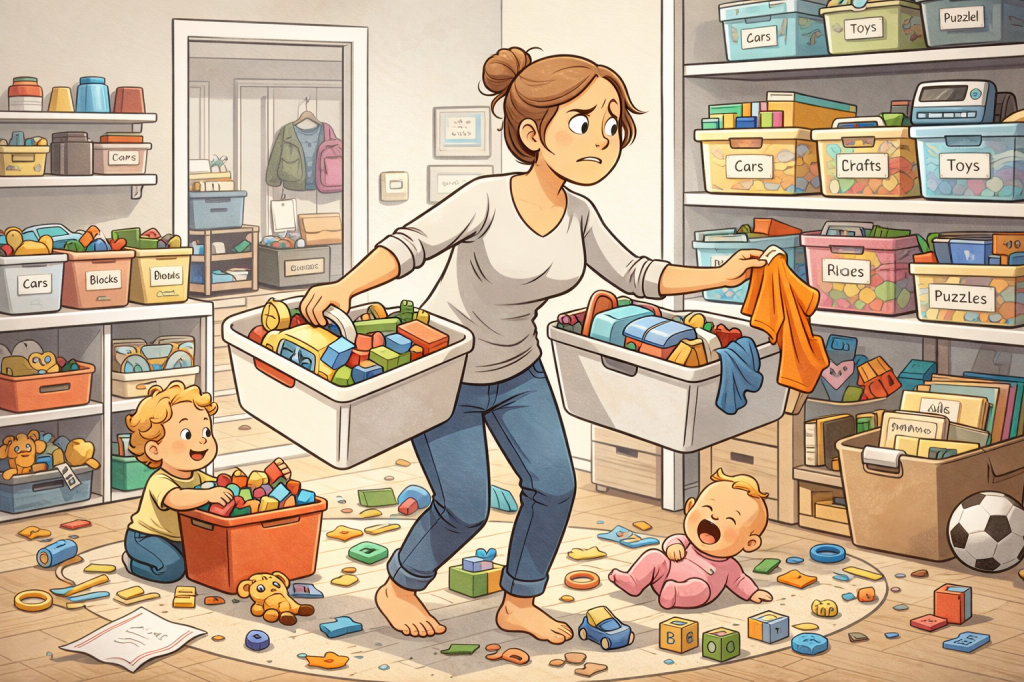
Let’s talk storage—not the picture-perfect kind you see online, but the kind that actually works when you’re short on space, short on time, and living with real humans (tiny ones included).
Because storage isn’t about hiding things.
It’s about making life easier.
If your home feels cluttered even after you “organize,” chances are the issue isn’t you—it’s the system. Storage should support how you live, not require constant maintenance to look decent.
Let’s break it down.
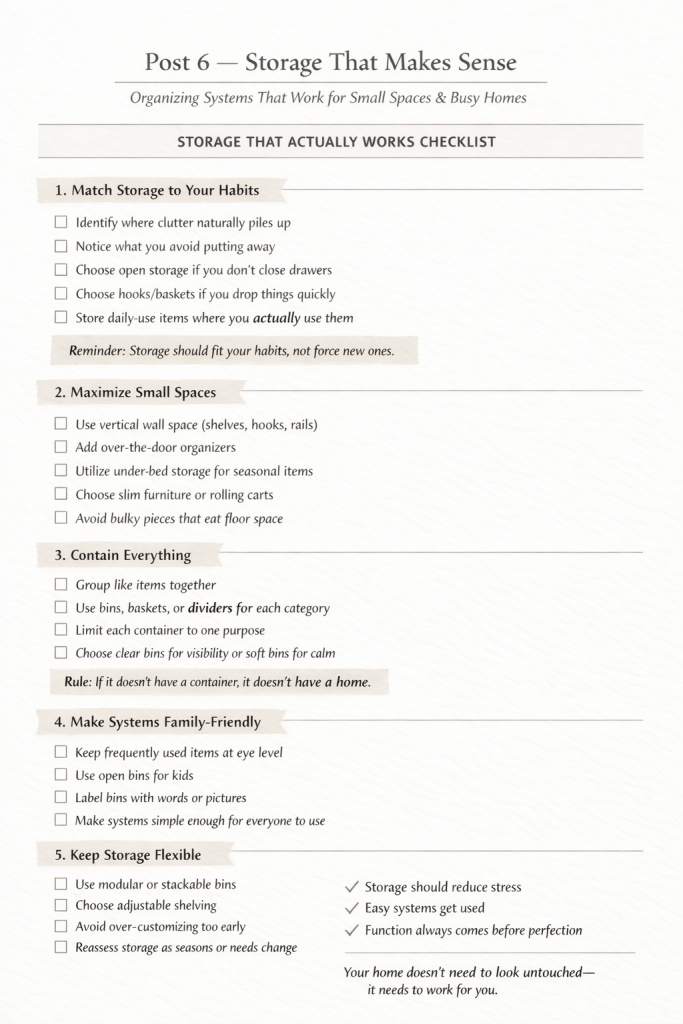
1. Storage Should Match Your Habits (Not Your Aspirations)
The biggest mistake people make is buying storage for the life they wish they had.
If you don’t fold laundry immediately, open bins will serve you better than drawers.
If you drop things the second you walk in, hooks and baskets beat shelves every time.
If you’re busy, tired, and juggling a million things—your storage needs to work with that.
Ask yourself:
- Where do things naturally pile up?
- What do I grab daily?
- What do I avoid putting away?
Your answers tell you exactly where storage is needed—and what kind will actually get used.
2. Small Spaces Need Vertical & Hidden Wins
When square footage is limited, the magic is in using space you’re already ignoring.
Think:
- Over-the-door organizers (pantry, bathroom, bedroom)
- Wall-mounted shelves instead of bulky furniture
- Under-bed bins for off-season or rarely used items
- Slim rolling carts that tuck into awkward corners
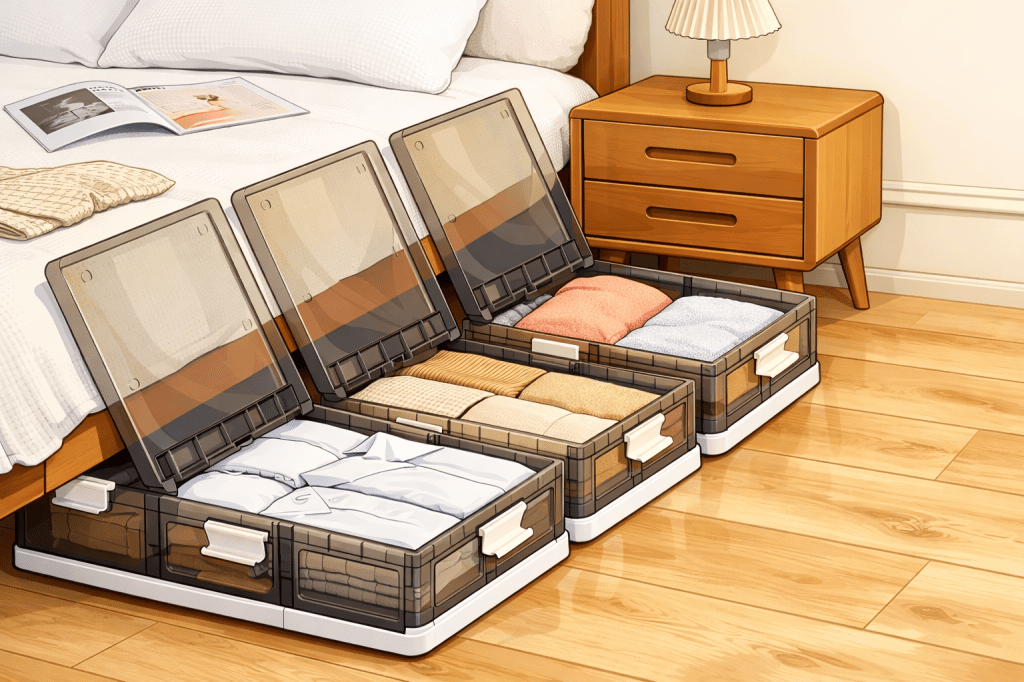
You don’t need more space—you need smarter use of the space you have.
3. Containment Is the Secret Sauce
Storage only works when everything has a container.
Bins, baskets, drawer dividers—these aren’t extras, they’re essentials. They stop things from migrating and turning into chaos again.
The rule I swear by:
If it doesn’t have a container, it doesn’t have a home.
Group like items together:
- One bin for cords
- One basket for mail
- One drawer for toddler chaos (because let’s be real)
Clear containers help you see what you have. Soft baskets make spaces feel calmer. Use what works for your brain.
4. Make It Easy for Everyone in the House
If you’re the only one who understands the system, the system will fail.
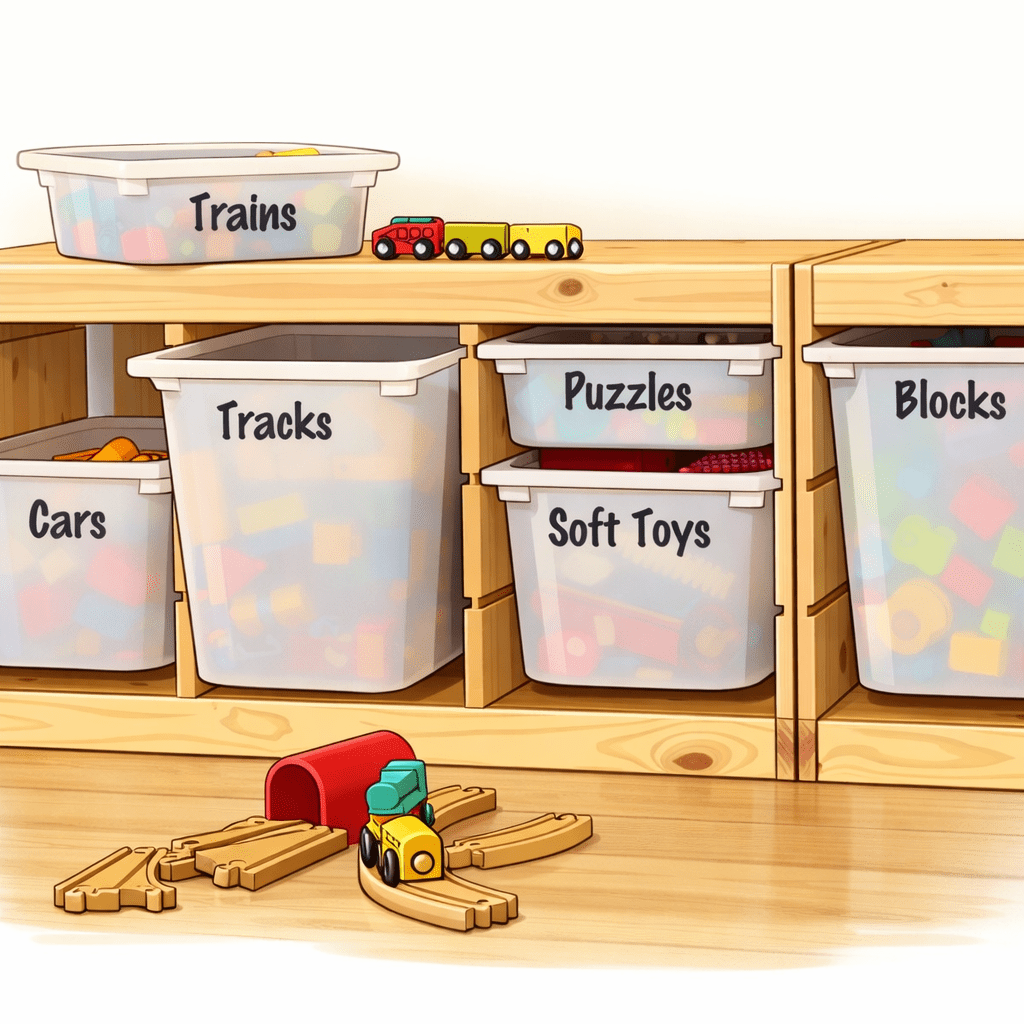
Especially with kids:
- Use open bins they can reach
- Label with words or pictures
- Keep frequently used items at eye level
Storage should reduce your mental load—not add another thing you have to manage alone.
5. Storage Is Allowed to Be Flexible
Life changes. Seasons change. Kids grow. Your storage should be able to shift too.
Don’t over-commit to anything too permanent unless you’re sure. Modular bins, adjustable shelves, and multi-purpose furniture give you room to adapt without starting over every few months.
It’s okay if your storage evolves—your home is allowed to grow with you.
Final Thought
The goal isn’t a home that looks untouched.
The goal is a home that feels livable, calm, and supportive—even on your busiest days.
Storage that makes sense:
- Fits your habits
- Respects your time
- Makes cleanup easier, not harder
And if it works for your life?
Then it’s doing exactly what it’s supposed to do.✨
 Notes By Kae
Leave a comment